மிக அழகான, ஆரோக்கியமான மேனியை பெறுவதற்கு உடற்பயிற்சி செய்வது மிக அவசியம்.
ஒரு வாரத்திற்கு குறைந்தது மூன்று முதல் ஆறு மணி நேரமாவது கட்டாயம் உடற்பயிற்சி செய்ய வேண்டும்.
நடைப் பயிற்சியோ அல்லது ஓட்டப் பயிற்சியோ அல்லது வேறு பிற விளையாட்டோ இவை ஏதாவது ஒன்றின் மூலமாகவாவது கட்டாயம் உடற்பயிற்சியை செய்ய வேண்டும்.
இவ்வாறு செய்யும் உடற்பயிற்சி மூலம் உங்களை சுறுசுறுப்பாக வைத்திருப்பதோடு மட்டுமல்லாது, உங்களது தசை மற்றும் தாங்குதிறன் மேலும் பலப்படும். முகம் ஊடுதல் அழகுடனும் காணப்படும்.
இளம் வயதில் செய்யபடும் உடற்பயிற்சி மிகுந்த நன்மை பயக்கும். மிக முக்கியமாக 40 வயதுகளில் ஏற்படுகிற பல பிரச்சினைகளுக்கு மூல காரணமான மன அழுத்தம் குறையும் இதனால் மாரடைப்பு மற்றும் இருதய நோய் போன்ற பிரச்சினைகள் ஏற்படுவதற்கான சாத்தியம் குறையும்.
நீங்கள் எடுத்துக் கொள்ளும் உணவில் கட்டாயம் பல விட்டமின்கள் மற்றும் தாதுச்சத்துக்கள் அடங்கியிருக்க வேண்டும். கார்போஹைட்ரேட் மற்றும் புரதச்சத்து உணவுகள் எடுத்துக் கொள்வது வழக்கமானது தான் என்றாலும், போதுமான விட்டமின்களை எடுத்துக் கொள்ளாமல் போனால் ஆராக்கியத்திருந்து நீங்கள் வெகு தூரம் விலகிச் சென்றுவிடுவீர்கள்.
உடலின் பல்வேறு செயல்பாடுகளுக்கு இந்த விட்டமின்களும், தாதுக்களும் மிக முக்கியமானவை. 40 வயதை எட்டிவிட்டால் நோய்களும் கூடவே ஒட்டிக் கொண்டு வந்து விடும் பல உடல் உபாதைகள் எட்டிப் பார்க்க தொடங்கி விடும். ரத்த அழுத்தம், சர்ச்சரை நோய், உடல் பருமன், மூட்டு வலி என பல பிரச்சினைகளின் தொடக்கம் 40 வயதுதான்.
நீங்கள் காலையில் எழுந்ததும் வாக்கிங் செல்வதன் மூலம் உங்கள் கால்களை திடப்படுத்த முடியும், 40 வயதில் நோய் நொடியின்றி ஆரோக்கியமாக இருப்பது உங்களது 20 வயதுகளில் நீங்கள் என்ன மாதிரியான உணவுகளை சாப்பிட்டீர்களோ, எந்த மாதிரியான வாழ்க்கை முறையை பின்பற்றினீர்களோ எவ்வளவு உடற் பயிற்சி செய்தீர்களோ அதை பொறுத்துதான் அமைகிறது என்கின்றனர் ஆய்வாளர்கள்.
40 வயதுகளில் ஆரோக்கியமாக இருக்க 20 வயதிலிருந்தாவது நடைப்பயிற்சி போன்றவற்றை கட்டாயம் தொடங்கிவிட வேண்டும் என்றும் நிபுணர்கள் தெரிவித்துள்ளனர்.
|
Friday, March 2, 2012
40 வயதிலும் மிக அழகாக தோற்றமளிக்க


Respectable Boys
 “Getting the permission of their mother and father, they came and touched the guru’s feet. They then put on yellow garments, tied a quiver around their waist, and held arrows and a bow in their hands.” (Janaki Mangala, 27)
pāi mātu pitu āyasu gurū pāyanha pare |
kaṭi niṣaṃga paṭa pīta karani sara dhanu dhare ||
kaṭi niṣaṃga paṭa pīta karani sara dhanu dhare ||
“Mom, do I have to go? Dad, can’t I stay home? Why do I have to do this? You always make me do things I don’t want to do. I’d rather stay home and play. I don’t want to go to that place.” That parents would compel their children to do things they don’t want is not out of the ordinary. And that children would protest vehemently to doing chores and travelling to places to accept responsibility is also not uncommon. With one king in particular, however, his children were so well behaved that even when they were sent to escort an innocent sage and protect him from vile attacking creatures in the wilderness, they were respectful, honorable, and eager to the task. The description of the scene where they prepared for leaving is delightful to the heart, with each aspect infused with transcendental goodness.
Normally, if you hear about someone getting ready to go somewhere, the words of description aren’t necessary. If a fighter is preparing for a large conflict, what is the big deal about them putting on their clothes or preparing mentally? The real action occurs when the conflict starts. In the scene in Ayodhya many thousands of years ago, two youths were getting ready to leave home, and they wouldn’t face danger until later on. Nevertheless, the personalities in question were divine, beautiful sons of King Dasharatha. Any time the mind can remember those two youths there are countless benefits received. Every aspect of their behavior, including their dedication to one another, is remarkable.
 Why were divine personalities roaming the earth as children? Why not wield tremendous power and show off your true ability? This way people could then know who you are and worship you properly. With the Supreme Lord, the more amazing His displays of affection, kindness, compassion, honor, chivalry, and dedication, the greater the chances that others will take up worship in earnest.
To use a simple example to see the principle in action, we see that many athletes and celebrities rise to the top of their profession. Yet the ones who struggled in the beginning, who defied the odds, are given more attention. If someone who is considered less likely to succeed ends up winning in the end, their victory is more appreciated; it garners more attention. The person struggling through poverty, overcoming family adversity, dealing with debilitating diseases and handicaps, and then eventually rising to the top of their profession serves as a role model for others. If they can do it, why can’t anyone else?
When the Supreme Divine Being appears on this earth, He rarely displays His awesome powers immediately. Instead, He shows that even in the tiniest of forms, which normally wouldn’t have success in difficult ventures, He can succeed and live up to His role as the ultimate protector of the surrendered souls. Why protect only the surrendered and not everyone else? If someone doesn’t want protection, how are they going to be protected? For instance, we may have a fire extinguisher in the kitchen, but when the next fire arises, if we don’t use the extinguisher how can we be protected?
If the protection is not used, it cannot be blamed for anything bad that happens. With the Supreme Lord, His energy is everywhere. The energy belongs to Him, so it is an extension of His mercy. Yet depending on how the target living entities utilize that energy, there can be either benefits or harm. Under the spell of maya, or illusion, the external energy is utilized for personal gain, for trying to become the most successful enjoyer in the absence of God’s association.
From consulting Vedic wisdom it is revealed that the essence of identity is the spirit soul. One of the soul’s properties is blissfulness. In the constitutional state, the bliss arises from voluntary, unmotivated and uninterrupted service to the Supreme Lord. Accepting that constitutional position is difficult for one deluded by maya. The illusory energy of the material world belongs to God, but it is described as external because it can have different uses. If one wants to live in illusion, they can. For illusion to have a detrimental effect, the Lord’s internal potency cannot be used. Instead, maya turns into the temporary presiding deity, as she fosters lust, anger, greed and vice. Through her agents of wine, women, animal flesh and gambling she deludes the otherwise pure soul into searching after contaminated happiness.
 For the Supreme Lord there is never a chance of association with maya. The energy belongs to Him, so when He appears on earth it acts under His direction to give the appearance of fallibility to others. The material energy provides no protection from calamity; that is why she is known as durga, or difficult to overcome. The spiritual energy is present within all of us, and it is a positive force. Yet unless we know how to utilize that energy, how to connect with it and take direction from it, maya remains the sole benefactor. You can think of maya as the horrible boss who makes you work like a dog and pays you very little. At the same time, your job is always threatened; never is there a moment of peace.
The Supreme Lord offers protection in different ways to those who sincerely desire it. In the most basic exercise, just thinking of the Lord’s personal form is protection enough, as the mental image creates peace within the consciousness. The ability to develop consciousness is unique to the human being; hence the species is considered superior by the Vedas, the original scriptural tradition of India. In no other form of body is there the chance for becoming fully Krishna conscious by the end of life.
In His original form God is known as Krishna because He is all-attractive. Attractiveness is coupled with a form, or spiritual manifestation. Sometimes this form is described as nirguna or avyakta, which can mean without qualities or unmanifested. The spiritual manifestation is unknown to us; it is a concept that cannot be conceived by the mind. For instance, if Krishna were to stand before us, He might appear to be a certain height. Yet there is no height limit for the Lord. He is both larger than the largest and smaller than the smallest. In this way He is not manifested. We are graced with His visible presence in the form of the avatara every now and then to get a slight idea of His features.
 In the Treta Yuga, Krishna came as Lord Rama. The servitor God, the most dedicated servant of Krishna in His unmanifested, spiritual form is Baladeva, who is also known as Lord Ananta Shesha Naga. That divine personality appeared simultaneously with Rama as His younger brother Lakshmana. Dasharatha was their father, and the two boys had two other brothers. One time the venerable Vishvamitra Muni visited Ayodhya and asked to have Rama accompany him in the forest. It was not revealed to anyone that Rama was God. Rather, everyone just had a natural attraction to Him. The Lord was so pious that He could only be Dasharatha’s son. There was not a hint of sin in Him, and His three younger brothers looked up to Him like a father. Lakshmana was closest to Rama in affection, as he would always follow his elder brother around.
When Dasharatha finally allowed young Rama to go with Vishvamitra, Lakshmana was told to accompany them as well. The king was worried about his eldest son, for He was not even twelve years of age yet. There were many mature fighters that were part of the royal army, but Vishvamitra specifically told them to remain where they were. The enemy forces in the forests were a unique breed of man-eaters, capable of changing shapes at will. They were careful in their attacks, waiting until religious ceremonies were taking place. They were thus the vilest creatures who required an expert bow-warrior to be handled.
In the above referenced verse from the Janaki Mangala of Goswami Tulsidas, the actions of Rama and Lakshmana right before they left for the forest are presented. Many things would happen while protecting Vishvamitra, and indeed the main subject matter of the poem is the eventual marriage that would take place between Rama and the daughter of King Janaka, Sita Devi. Nevertheless, something as simple as Rama and Lakshmana’s preparation while leaving home is presented to give the mind something wonderful to think about. This mental image provides just as much protection as Rama and Lakshmana’s arrows did to Vishvamitra.
Why is this the case? We see that the two boys first got the permission of their parents and then touched the guru’s feet. Rama is God and Lakshmana is practically identical to Rama. They don’t need permission to do anything. With a simple exhalation, Lord Krishna’s form of Vishnu creates this and many other universes. To show just how much they loved their caretakers, Rama and Lakshmana set an example of ideal children. This behavior is more heartwarming coming from children because there is innocence. An adult showing respect in this way has the ability to discriminate, so perhaps they are following protocol to receive a benefit later on. Rama and Lakshmana innocently loved their parents and would do whatever they asked. They weren’t being sent off to camp or to a local playground either. They were to act as guardians for someone who was so exalted that the king himself took direction from him.
 The boys did not hesitate in going. They showed respect to the people that deserved it. They next put on yellow clothes. Generally, Lord Rama wears a yellow robe and Lakshmana a blue one. When the brothers appear as Krishna and Balarama they follow the same tendency. The matching colors are also present with their appearance as Lord Chaitanya and NItyananda Prabhu. The brothers then tied their quivers around their waists. Again, they weren’t preparing for playing laser-tag or a day of innocent fun. Though youths at the time, they were getting ready to battle the world’s strongest fighters. Vishvamitra, as an expert teacher, would give them powerful mantras that could turn their arrows into weapons with the ability to create devastation like a nuclear weapon.
To complete the picture, they took bow-and-arrow sets in their hands. This wonderful scene of the two brothers readying for their journey with Vishvamitra cannot be contemplated enough. They say that a picture is worth a thousand words, and since Rama and Lakshmana are transcendental, just creating a mental picture through hearing has a similar, if not greater, effect. From this one scene we see how to properly respect our elders and spiritual guides. We see how dedicated to protecting the innocent the Supreme Lord is. We also see just how much Lakshmana loves Rama. Wherever the Lord goes, Lakshmana is right behind Him to act as protection. Rama doesn’t require this, but then Lakshmana doesn’t need anything except his brother’s association in life. As Akampana, a fierce Rakshasa fighter, would later point out, Rama is like a raging fire and Lakshmana a powerful wind that extends the reach of that fire.
“Rama’s younger brother, Lakshmana, has reddish eyes and a voice that resounds like a kettledrum. His strength matches that of Rama’s, and his face shines like a full moon. Just as wind gives aid to a raging fire, Lakshmana has joined forces with his brother. It is that best of kings, Shriman Rama, who has brought down the Rakshasas fighting in Janasthana.” (Akampana speaking to Ravana,Valmiki Ramayana, Aranya Kand, 31.16-17)
The same protection offered to Vishvamitra exists in the image of Rama and Lakshmana and also in the holy name itself. The Supreme Lord has thousands of names which describe His transcendental features, and they are best sequenced together in the maha-mantra: “Hare Krishna Hare Krishna, Krishna Krishna, Hare Hare, Hare Rama Hare Rama, Rama Rama, Hare Hare”. The holy name is the transcendental fire to burn up the sinful effects of the dark age of Kali, and the spiritual master, following Lakshmana’s lead, is the powerful wind to spread those flames throughout the world. With that combination, how can maya ever stand a chance against the sincere devotee?
In Closing:
In elders transcendental love swells so much,
When their feet the two young boys touch.
Bow and arrows carry in their hands so soft,
As to the woods with muni they are off.
Love for their parents the scene does reflect,
And Lord’s dedication to the brahmanas protect.
Brothers not leaving home to have days of fun,
Went to put pain in sage’s side on the run.
Wherever Rama goes Lakshmana by His side,
For attacking demons, from arrows nowhere to hide.
The Top Five Songs Sung by S.D.Burman
My five favourite S. D. Burman sung songs

Either I am just too indecisive or I love all his songs, which makes a list of 10 favourite S. D. Burman songs so difficult. That is why I took the easy way out and went off to make a list of 10 favourite songs sung by him. That in turn would have been too easy, because I found only around 13 songs where he has lent his voice and only eleven of them were solos.

The first song sung by him for a Hindi film I found was for Eight Days [1946]. (Anu informed me later that he sang for the film Taj Mahal [1941] under the baton of Madhavlal Damodar. The song was ek prem ki pyaari nishani.) After that it looks like he took a 12 years break and lent his voice to Dev Anand in Kala Pani [1958] for the song dil laga ke kadar gayi pyaare. He sings dhin ta ta between the stanzas. The first Hindi solo of his after Eight Days is most probably sun mere bandhu re for Sujata [1960]. After this nearly all of his songs appear as background songs. Mere saajan hai us paar, although sung by a waysider, the camera stays on this character only at the beginning of the song, giving it a feeling of background song. While compiling this list, I realised the big impact this singer has left on us. He sang around ten solos in Hindi films and still one has at least five songs of him at the tip of the tongue.
Sun Mere Bandhu Re – Sujata [1960]
Lyrics: Majrooh Sultanpuri

Bimal Roy has opens the scene with Sujata and Adhir admitting their love to each other and in distance one hears the boatman singing. When Adhir starts to speak their track is silenced and the boatman’s song takes over. Even though they are exchanging sweet nothings, it is Sujata’s feelings and emotions (in the boatman’s voice) which colour the atmosphere. Lovely piece of direction! Though we hear the boatman singing we never see him. This gives the song the character of a background song.
Although I knew this song for a long time, it took me years to understand the lyrics. In my best gaane ka kachumbar tradition I had thought the line hota tu peepal me hoti… (if you were the peepal tree, I would be…) as tota tu peepal me hoti (you a parrot and I the peepal tree).
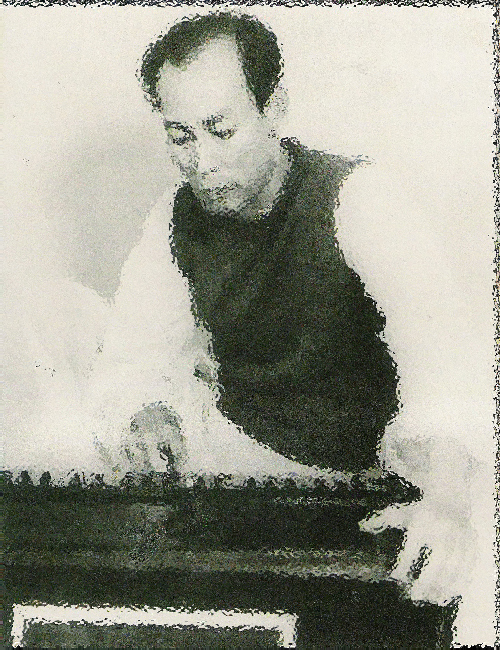
Either I am just too indecisive or I love all his songs, which makes a list of 10 favourite S. D. Burman songs so difficult. That is why I took the easy way out and went off to make a list of 10 favourite songs sung by him. That in turn would have been too easy, because I found only around 13 songs where he has lent his voice and only eleven of them were solos.
The first song sung by him for a Hindi film I found was for Eight Days [1946]. (Anu informed me later that he sang for the film Taj Mahal [1941] under the baton of Madhavlal Damodar. The song was ek prem ki pyaari nishani.) After that it looks like he took a 12 years break and lent his voice to Dev Anand in Kala Pani [1958] for the song dil laga ke kadar gayi pyaare. He sings dhin ta ta between the stanzas. The first Hindi solo of his after Eight Days is most probably sun mere bandhu re for Sujata [1960]. After this nearly all of his songs appear as background songs. Mere saajan hai us paar, although sung by a waysider, the camera stays on this character only at the beginning of the song, giving it a feeling of background song. While compiling this list, I realised the big impact this singer has left on us. He sang around ten solos in Hindi films and still one has at least five songs of him at the tip of the tongue.
Sun Mere Bandhu Re – Sujata [1960]
Lyrics: Majrooh Sultanpuri
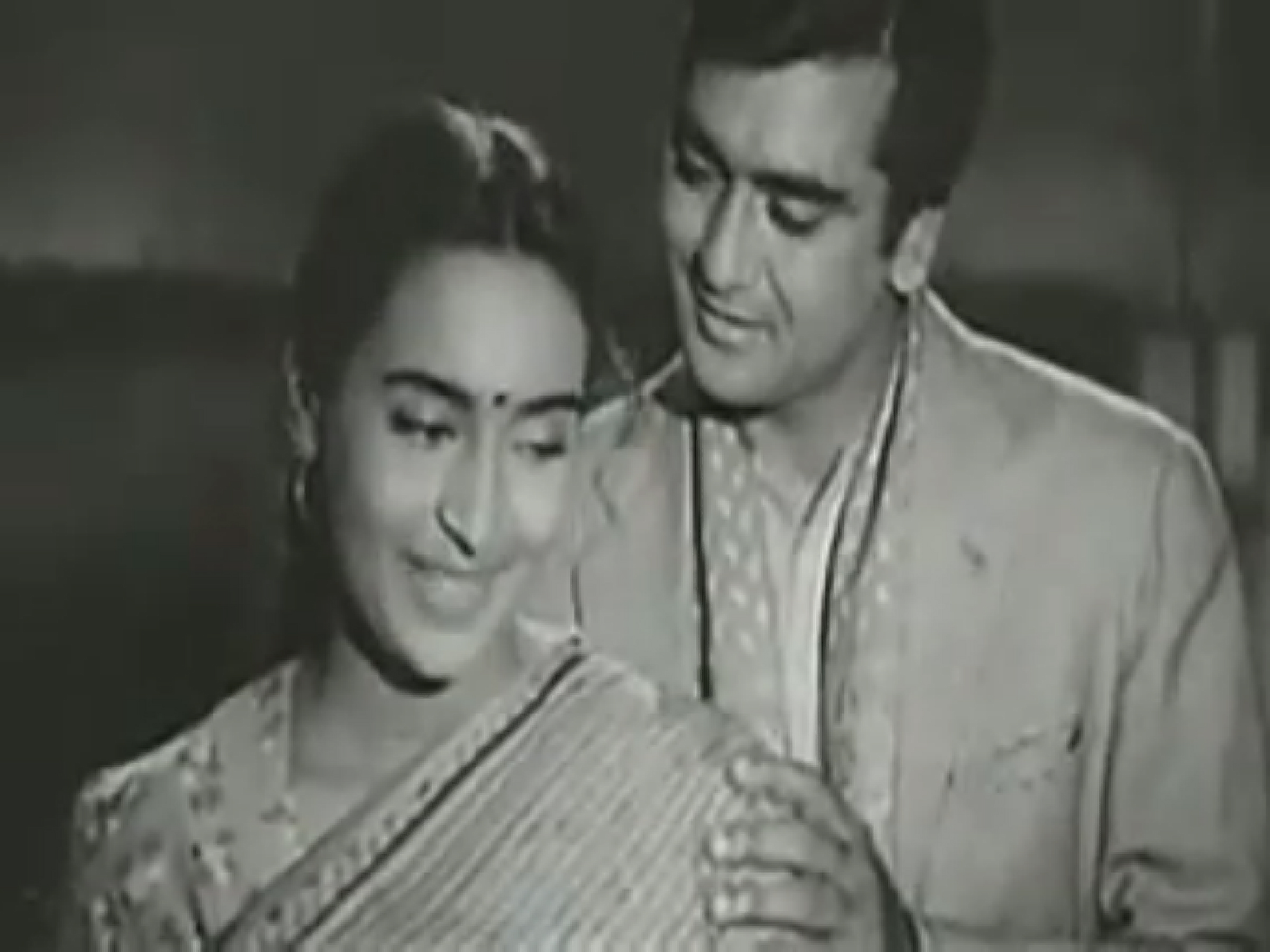
Bimal Roy has opens the scene with Sujata and Adhir admitting their love to each other and in distance one hears the boatman singing. When Adhir starts to speak their track is silenced and the boatman’s song takes over. Even though they are exchanging sweet nothings, it is Sujata’s feelings and emotions (in the boatman’s voice) which colour the atmosphere. Lovely piece of direction! Though we hear the boatman singing we never see him. This gives the song the character of a background song.
Although I knew this song for a long time, it took me years to understand the lyrics. In my best gaane ka kachumbar tradition I had thought the line hota tu peepal me hoti… (if you were the peepal tree, I would be…) as tota tu peepal me hoti (you a parrot and I the peepal tree).
Mere Saajan Hai Us Paar – Bandini [1963]
Lyrics: Shailendra

Kalyani caught in choice between Deven and Bikash. On one side she has the young lover, who is not only good-looking but also loyal and true to her. On the other side she feels bound to Bikash through love and her feelings. But Bikash babu is sick, ailing from tuberculosis. Choice between life in afflunce and poverty, health and sickness, beauty and love. Is the author or the director telling us something through the names of the characters? Kalyani (Auspiciousness) choosing between Deven (God) and Bikash (development)?
My earliest memory of the song is from Chhaya Geet on Bombay DD. I might have been eight or nine years old. I didn’t understand anything that was being sung. The plaintive voice, if I remember right, irritated me. But still I knew that this person was singing about a deep emotion and love, which though I couldn’t understand, knew that it was something fundamental.
There is something about this song which touches me at different levels of my existence. I think words are just not enough for that.
Lyrics: Shailendra

Kalyani caught in choice between Deven and Bikash. On one side she has the young lover, who is not only good-looking but also loyal and true to her. On the other side she feels bound to Bikash through love and her feelings. But Bikash babu is sick, ailing from tuberculosis. Choice between life in afflunce and poverty, health and sickness, beauty and love. Is the author or the director telling us something through the names of the characters? Kalyani (Auspiciousness) choosing between Deven (God) and Bikash (development)?
My earliest memory of the song is from Chhaya Geet on Bombay DD. I might have been eight or nine years old. I didn’t understand anything that was being sung. The plaintive voice, if I remember right, irritated me. But still I knew that this person was singing about a deep emotion and love, which though I couldn’t understand, knew that it was something fundamental.
There is something about this song which touches me at different levels of my existence. I think words are just not enough for that.
Wahan Kaun Hai Tera – Guide [1965]
Lyrics: Shailendra

Raju released from the jail, has no destination in front of him any more. He used to be the guide in the city. He used to lead the tourists their destinations and now left with none for himself. The singing voice (his inner guide, his ego, his survival instinct) puts him on a path of self-realisation.
This never fails to move me to tears. S. D. Burman has composed it quite differently than many of the songs which he usually sang. There is no plaintiveness about it. Though the words of the song give a feeling of presenting facts, the way Burman sings it in staccato, it reflects the self-doubt of the character.
Lyrics: Shailendra
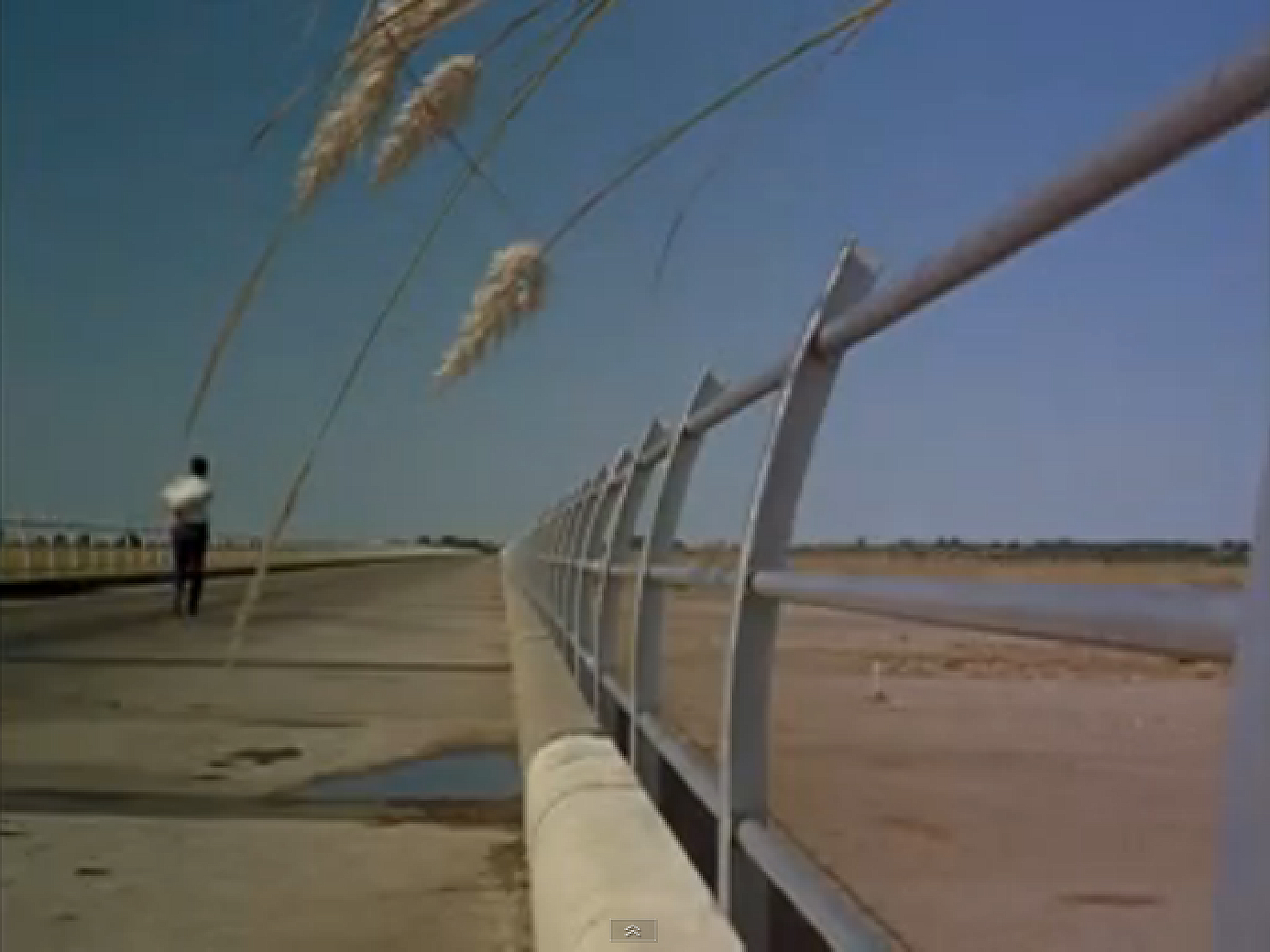
Raju released from the jail, has no destination in front of him any more. He used to be the guide in the city. He used to lead the tourists their destinations and now left with none for himself. The singing voice (his inner guide, his ego, his survival instinct) puts him on a path of self-realisation.
This never fails to move me to tears. S. D. Burman has composed it quite differently than many of the songs which he usually sang. There is no plaintiveness about it. Though the words of the song give a feeling of presenting facts, the way Burman sings it in staccato, it reflects the self-doubt of the character.
Piya Tune Kya Kiya – Zindagi Zindagi [1972]
Lyrics: Anand Bakshi

Again a woman at cross roads. Unlike Kalyani who had to choose between two men, for her it is the fundamental question of to stay or to go away. She faces somewhat the same predicament like Hirabai inTeesri Kasam [1967], but Meeta decides to stay.
The song though it has two stanzas, is carried by the refrain. Burmandada plays with the it, he changes it, he modulates it high and low, gives it a re at the end or takes it away, he even turns tune (you did) to maine (I did) and every time he gives it a different colour. The way he extends the last vocal in a line gives it a doleful effect.
I came across this song three years back and since then it has remained with me.
Lyrics: Anand Bakshi

Again a woman at cross roads. Unlike Kalyani who had to choose between two men, for her it is the fundamental question of to stay or to go away. She faces somewhat the same predicament like Hirabai inTeesri Kasam [1967], but Meeta decides to stay.
The song though it has two stanzas, is carried by the refrain. Burmandada plays with the it, he changes it, he modulates it high and low, gives it a re at the end or takes it away, he even turns tune (you did) to maine (I did) and every time he gives it a different colour. The way he extends the last vocal in a line gives it a doleful effect.
I came across this song three years back and since then it has remained with me.
Doli Me Bithai Ke Kahaar – Amar Prem [1972]
MD: R.D.Burman; Lyrics: Anand Bakshi

Pushpa married and thrown out of the house by her husband, pines to return back to him when she sees a bridal procession. Little does she know that she will soon be taken to a different world altogether.
This is the only song as far as I know, which Burmandada sang for another music director. The composition was not foreign to him, because although it was directed by his own son Rahul, it was his own melody, which he allowed his son to use.
MD: R.D.Burman; Lyrics: Anand Bakshi
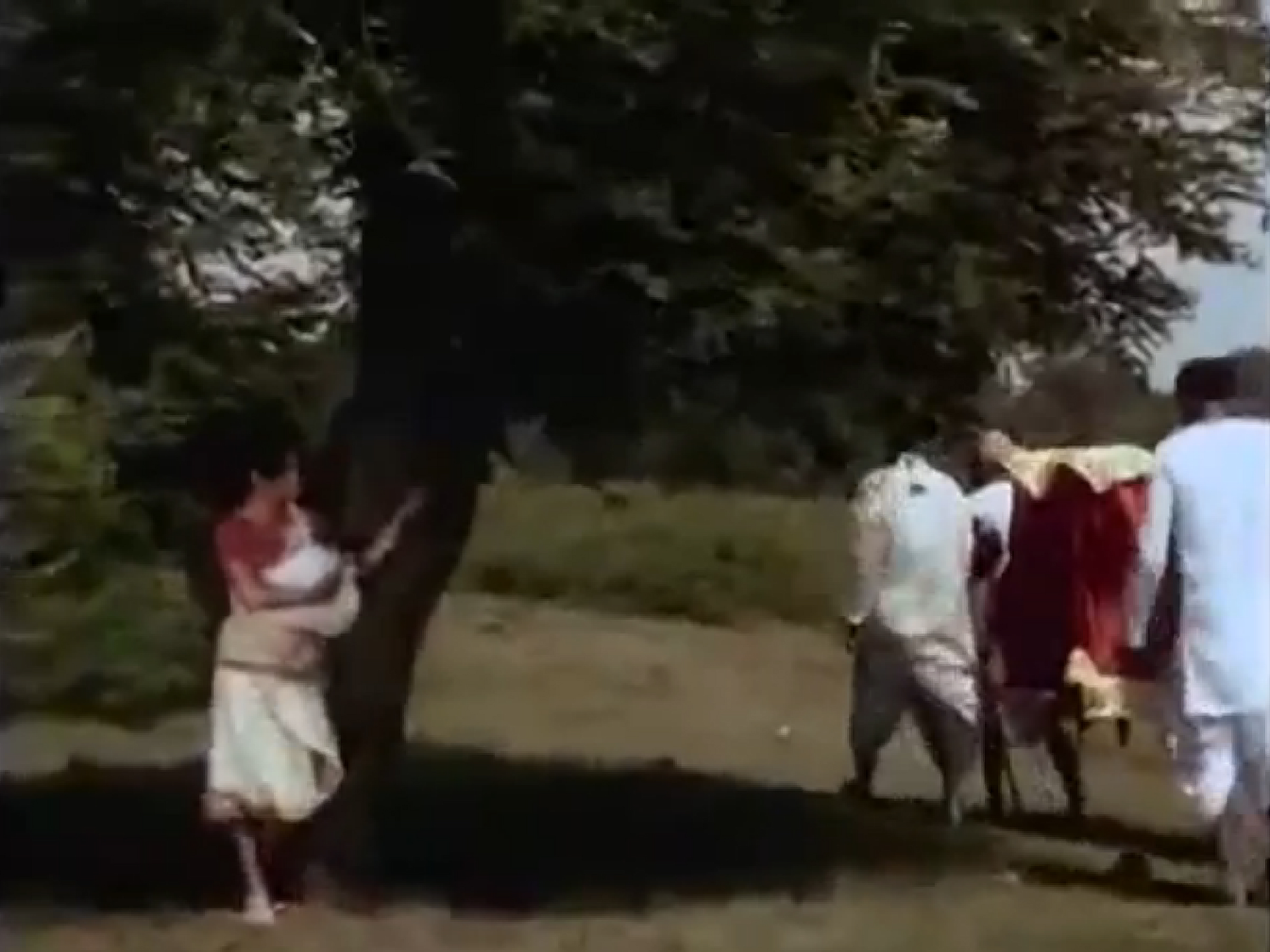
Pushpa married and thrown out of the house by her husband, pines to return back to him when she sees a bridal procession. Little does she know that she will soon be taken to a different world altogether.
This is the only song as far as I know, which Burmandada sang for another music director. The composition was not foreign to him, because although it was directed by his own son Rahul, it was his own melody, which he allowed his son to use.
The details of the songs are as follows:-
1. Sun mere bandhu re Film. Sujata (1959)
2. Mere sajan hain us paar Film. Bandini (1963)
3. Vahaan kaun hai tera Film. Guide (1965)
4. Mere duniya hai maa Film. Talash (1968)
5. Safal hogi tere aradhana Film. Aradhana (1969)
Medley ----- Another three songs.
Subscribe to:
Comments (Atom)